
When a doctor first mentions palliative care, many families feel a wave of dread. Does this mean there’s nothing more we can do? Not at all. In fact, choosing palliative care at home is one of the most proactive, compassionate decisions a family can make — and it often leads to a better quality of life, not the end of hope.
Need care for your parent?
Get a professional care assessment at no cost.
What Is Palliative Care at Home?
Palliative care is specialized support designed to improve the quality of life for people living with serious, chronic, or life-limiting illness.
It focuses on managing physical symptoms — like pain, fatigue, and breathlessness — while also addressing the emotional and psychological wellbeing of both the person receiving care and their family.
Living Fully on Your Own Terms
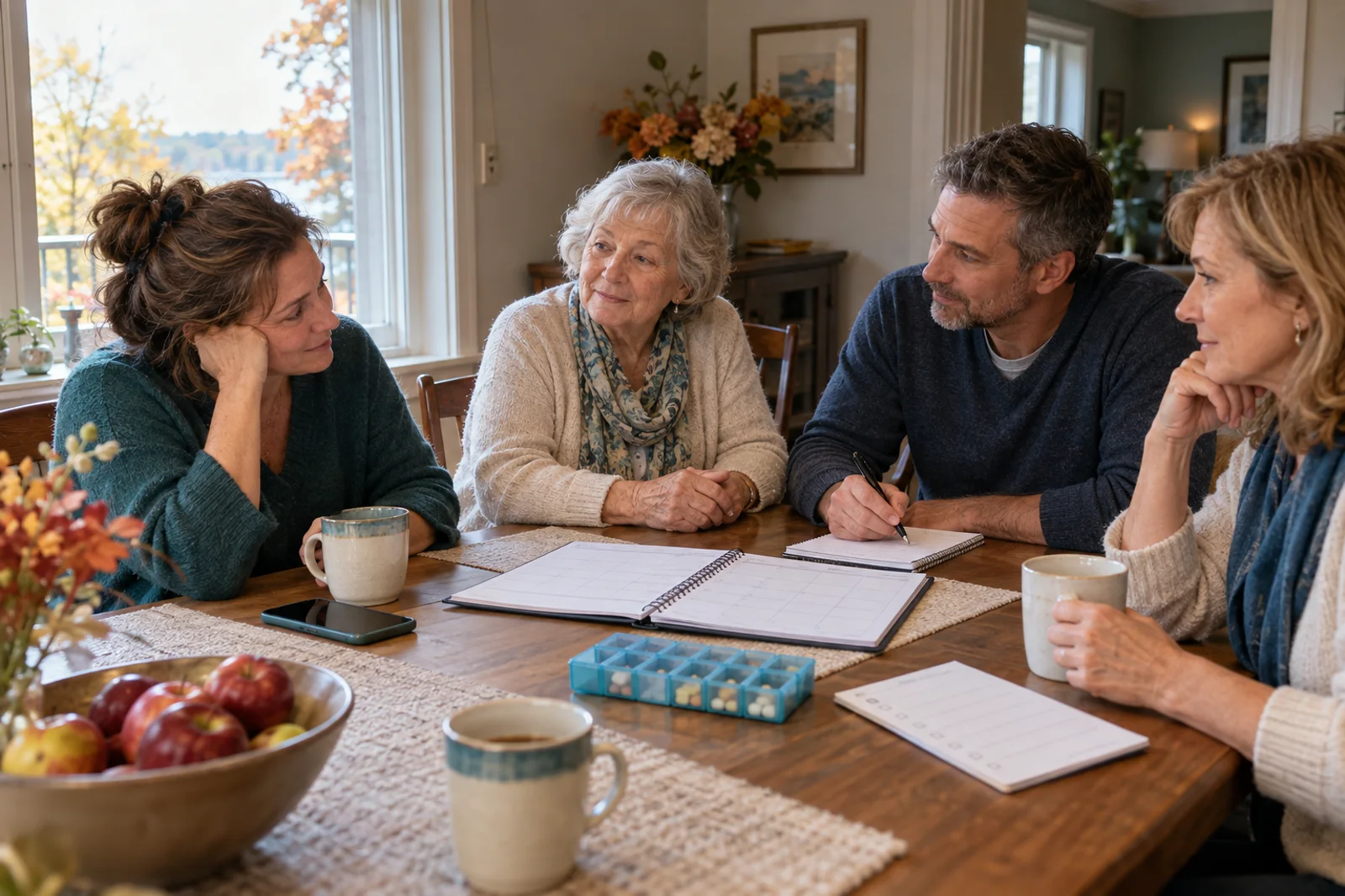
When delivered at home, palliative care allows your loved one to remain in a familiar, comfortable environment surrounded by the people and things they love — rather than spending their days in a hospital or long-term care facility. It is not about giving up; it is about living as fully and comfortably as possible.
Want more deep knowledge like this?
Join our private Facebook group to connect with experts, get exclusive resources, and find support from families navigating the same journey.
Palliative Care vs. Hospice Care
These two terms are often confused. Palliative care can begin at any point after a serious diagnosis, even while receiving curative treatments. Hospice care is a specific type of palliative care for the final stages of life. In short: all hospice care is palliative care, but not all palliative care is hospice care. Home palliative care is a much broader and earlier-stage option than most families realize.
What Does Care Look Like Day-to-Day?
Every care plan is tailored to the individual. Common services include symptom and pain management, personal care assistance with bathing and mobility, emotional support and companionship, family caregiver relief (respite), and even 24-hour live-in support for continuous peace of mind.
5 Common Myths Debunked
1. 'It means we're giving up.' FALSE — It's about living better. 2. 'It's only for the final weeks.' FALSE — it can start at diagnosis. 3. 'It means stopping all treatment.' FALSE — it complements medical treatment. 4. 'It's only for cancer.' FALSE — it's for any serious illness. 5. 'Home isn't the right place.' FALSE — home is where people feel most at peace.
Why Families Choose Home Palliative Care
Being at home reduces anxiety and gives the person a sense of control. Families can visit freely without hospital restrictions, and care is received in a dignity-preserving personal space. Knowing a trained caregiver is present brings enormous relief to the whole family.
Frequently Asked Questions
Is it covered by OHIP? Some services may be covered, while private care provides additional support. Can it be provided alongside chemo? Yes, it is designed to run alongside active treatments. How do we get started? Simply call us at 1-844-826-7354. We'll assess your loved one's needs and create a care plan coordinating with your medical team.
Key Takeaways
Comfort & Familiarity
Remaining at home reduces anxiety and preserves a sense of control.
Dignity
Care is received in a personal space that truly belongs to the individual.
Family Connection
Loved ones can visit freely without hospital hours or restrictions.
Peace of Mind
Continuous support from trained caregivers brings relief to the family.
Palliative care is not about giving up. It’s about living as fully and comfortably as possible — on your own terms.
Frequently Asked Questions
Palliative care at home focuses on comfort, dignity, and quality of life for individuals with serious illness. It is not about giving up — it is about living as well as possible, surrounded by family, in a familiar environment.
No. Palliative care can begin at any stage of a serious illness, alongside curative treatments. It focuses on symptom management, emotional support, and quality of life — not just the final days.
Palliative caregivers manage pain and symptoms, provide personal care, offer emotional support, coordinate with medical teams, assist with daily tasks, and ensure the patient and family feel supported and informed.
If your loved one has a serious illness and prefers to be at home, palliative care can provide professional support while preserving comfort and family closeness. Contact Corelia Health for a compassionate, no-obligation consultation.
Corelia Premium Guide
Use this guide to compare care options, prepare family questions, and understand what to check before starting in-home support.
Professional Care Services
Local Home Care Support
Why Corelia Health?
-
Customized care plans tailored to your unique needs and preferences.
-
Screened caregivers matched to the care plan, schedule, and level of help required.
-
Ongoing monitoring and regular family updates for peace of mind.
-
Locally owned and operated, providing a personalized community touch.
"We help at home, wherever home is for you."
Find The Right CareSpeak to our Clinical Care Coordinator
We are here to walk this journey with you. Our coordinators provide expert guidance on care options, funding, and next steps.