
Practical home-care guidance based on Corelia Health service experience with families in Ontario and Alberta. This article is general education, not a substitute for medical, legal, funding, or financial advice.
the caregiver Campbell got the call on a Tuesday. Her father, George, had been approved for long-term care — finally, after months of assessments and forms and waiting rooms. She remembers feeling relieved for about a day. Then the coordinator mentioned there was no bed available yet, and that the wait could be six months. Maybe longer.
Six months turned into fourteen.
In that time, the caregiver learned to give George his medications on schedule, learned to recognize the early signs of a bad day before he did, and learned — the hard way — that "approved for care" and "receiving care" are two very different things. She also learned about a program called Wait at Home, almost by accident, from another caregiver in a hospital waiting room in Milton. No one had mentioned it to her directly. She had to ask.
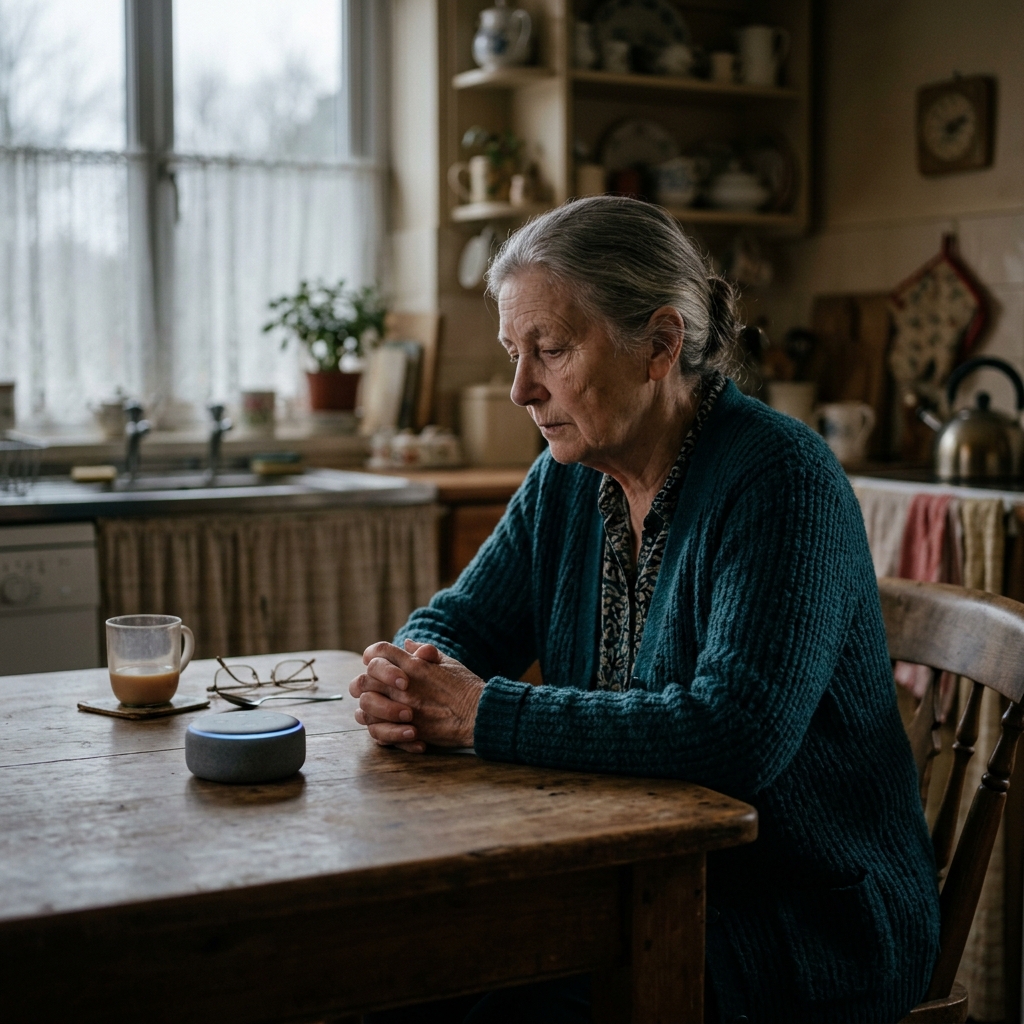
the caregiver's story isn't unusual. It might be your story right now — as a son or daughter watching a parent wait. It might belong to someone like Daniel Beaudoin, who quietly took over most of his wife Louise's care after her stroke, without ever calling himself a caregiver. Or it might be your own story, like Margaret Whitehorse's, an 81-year-old widow in North Bay navigating this entirely on her own, trying to figure out exactly what help she can count on.
This is what that help actually looks like.
Need care for your parent?
Get a professional care assessment at no cost.
What Wait at Home Actually Gives You
Wait at Home is delivered through Ontario Health atHome, and it exists for exactly the situation the caregiver found herself in: an assessment has confirmed eligibility for long-term care, but the bed hasn't opened yet, and life still has to happen at home in the meantime.
The program can authorize up to 240 hours a month — close to 55 hours a week — combining personal support work, nursing, and allied health care, delivered right where the person lives.
It is, by a wide margin, the most generous home care allocation Ontario's public system offers. And it's built with a clear purpose: to keep people safe and supported at home, and to prevent the kind of crisis that ends in an unnecessary hospital stay.
Who it's for:Where the Hours Run Out
For the first few months, the caregiver's Wait at Home hours felt almost generous. A PSW came every morning to help George bathe and dress. A nurse checked in twice a week for his blood pressure medication. It was real, meaningful support — support many families never get.
Then winter came, and with it, two falls in the same month. Suddenly George needed someone nearby at night, not just in the morning. The hours that had felt like plenty were now stretched across needs the program was never quite built to cover.
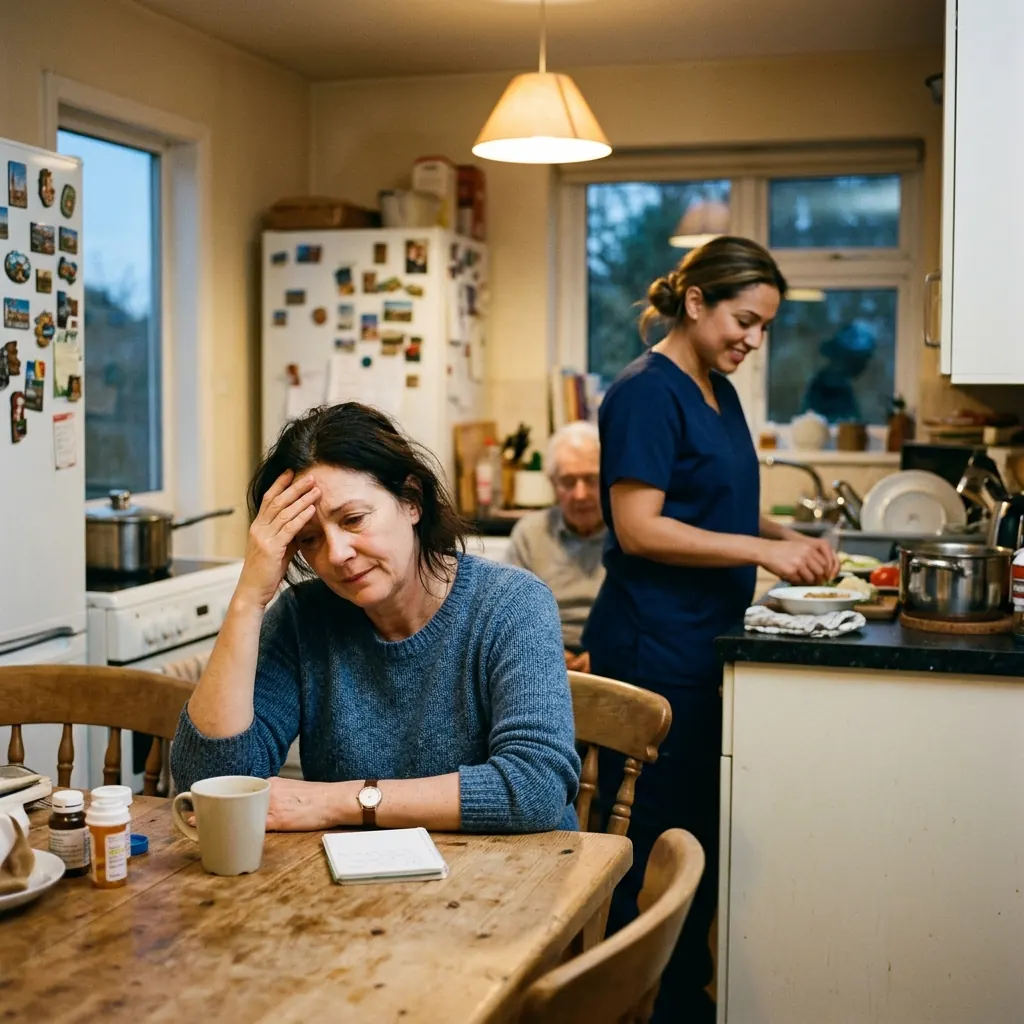
Daniel ran into a version of the same wall. Louise's scheduled visits covered her physical therapy and medication, but nothing covered the hours he spent simply making sure she didn't try to get up alone. For Margaret, living by herself in North Bay, the gap was different again — it wasn't about extra hours so much as having no one to notice if a visit was ever missed.
This is the pattern we hear again and again:
Want more deep knowledge like this?
Join our private Facebook group to connect with experts, get exclusive resources, and find support from families navigating the same journey.
When It's Time to Bridge the Gap
There's no failure in needing more than the public system provides. It usually just means the wait has gone on longer, or the need has grown deeper, than anyone could have planned for.
It may be time to bring in additional support if:
• The wait has already stretched well past what you were originally told, and the hours haven't changed to match. • A fall, hospitalization, or change in memory has quietly raised how much supervision is needed.the caregiver eventually reached this point. She wasn't looking to replace the care George already had — she just needed someone there overnight, and on the weekends she was supposed to be resting but never quite managed to.
How Corelia Health Helps Families Like the caregiver's, Daniel's, and Margaret's
This is the exact moment Corelia Health exists for — not to take over from Wait at Home, but to stand beside it.
Our caregivers step in precisely where the public hours end: through the night, over the weekend, or simply as a steady, familiar presence during the hours no scheduled visit can cover. For families and spouses like the caregiver and Daniel, that means finally getting to rest without guilt. For seniors waiting on their own, like Margaret, it means someone who notices when something feels different — not just a visit that arrives and leaves.
Every Corelia caregiver is vetted, licensed, and background-checked, and there are no long-term contracts. Support can grow, shrink, or shift as the wait — and the need — changes, because no two families are waiting through the exact same thing.
the caregiver brought in overnight support three months before George's bed finally became available. She still talks about how different those final months felt — not easier, exactly, but held. Less like she was doing it entirely alone.
Frequently Asked Questions
How many hours does Wait at Home provide in Ontario?
Who can receive Wait at Home support?
What happens when the hours aren't enough anymore?
Is Wait at Home the same as a long-term care placement?
the caregiver, Daniel, and Margaret are illustrative composite examples based on common experiences shared by families we work with, not individual case histories.
Corelia Premium Guide
Use this guide to compare care options, prepare family questions, and understand what to check before starting in-home support.
Professional Care Services
Local Home Care Support
Why Corelia Health?
-
Customized care plans tailored to your unique needs and preferences.
-
Screened caregivers matched to the care plan, schedule, and level of help required.
-
Ongoing monitoring and regular family updates for peace of mind.
-
Locally owned and operated, providing a personalized community touch.
"We help at home, wherever home is for you."
Find The Right CareSpeak to our Clinical Care Coordinator
We are here to walk this journey with you. Our coordinators provide expert guidance on care options, funding, and next steps.