
The week after her father's diagnosis, Lauren Kowalski noticed something about her own family that embarrassed her later. They started talking about Edward instead of to him — in the next room, sometimes in the same room, as though the word dementia had quietly reclassified him from a person into a condition. Someone suggested he stop driving that same week. Someone else started answering questions the doctor had asked him directly.
Edward was 78, newly diagnosed, and, as it turned out, entirely capable of following every word of it.
It is exactly the pattern Dr. Hideki Wada writes about in The Wall of Dementia, his follow-up to The 80-Year-Old Wall — and his argument is that this reflexive panic, more than the diagnosis itself, is often what does the most damage to a person's remaining years.
Need care for your parent?
Get a professional care assessment at no cost.
The Book: Rethinking What Boke Actually Means
Published in early 2023, The Wall of Dementia builds on Dr. Wada's decades treating older patients as a geriatric psychiatrist. His starting premise is that what determines whether someone's later years go well or badly often comes down to brain aging — and that brain aging has two very different drivers people routinely confuse: dementia, and late-life depression.
His central claim about dementia itself may surprise people who have only absorbed the version of it that shows up in movies and cautionary family stories: it typically progresses slowly, exists on a wide spectrum from mild to severe, and is very rarely the sudden, total loss of self that people picture the moment they hear the word.
His claim about late-life depression is the less comfortable twist: he considers it, in some ways, more dangerous than dementia — harder to spot, more likely to be fatal if untreated, and yet far more treatable once it is actually recognized for what it is.
The Myth He Pushes Back On Hardest
One example Dr. Wada uses to illustrate how exaggerated the public picture of dementia has become: the widespread assumption that a dementia diagnosis means wandering is inevitable. He points out the simple math does not hold up — with millions of people living with dementia, if wandering were truly a near-universal symptom, it would be an unmistakable, constant presence in daily public life everywhere. In reality, dementia is fundamentally a form of aging, and the far more common pattern is the opposite of wandering: people gradually becoming quieter and more withdrawn, often staying close to home rather than roaming from it.
The wider point is not really about wandering. It is that dementia is a spectrum condition, not a light switch — and treating it like an on/off event leads directly to the behaviour Lauren caught her own family doing: writing someone off, and their remaining abilities along with them, the moment a diagnosis is spoken out loud.
--- ### Navigating a new diagnosis for a parent, spouse, or yourself? Get a professional care assessment at no cost — built around the person, not just the diagnosis.Want more deep knowledge like this?
Join our private Facebook group to connect with experts, get exclusive resources, and find support from families navigating the same journey.
Why the Reaction Can Be More Harmful Than the Diagnosis
Dr. Wada describes a pattern he has seen repeatedly in his own practice: families arrive with a loved one, quietly assume the person in front of them no longer fully understands what is being said, and start speaking around them instead of to them — sometimes critically, sometimes just dismissively. Abilities the person still clearly has get stripped away pre-emptively out of caution: driving, decisions, small everyday independence, all removed at once under the blanket label of dementia, often well before it is actually necessary.
His point is not that caution is wrong. It is that a diagnosis describes a range, not a verdict — and treating someone as though they have already lost everything, before they actually have, tends to accelerate exactly the decline everyone is afraid of.
For Lauren's family, the shift started with something small: including Edward directly in his own follow-up appointment instead of fielding questions on his behalf. He answered most of them himself.
The Twin Nobody Is Watching For: Late-Life Depression
Perhaps the most practically important part of Dr. Wada's argument is the one families are least likely to be looking for. Because dementia gets so much of the cultural fear and attention, late-life depression — which can look similar from the outside, in withdrawal, memory complaints, and low energy — often goes unrecognized and untreated, even though it responds well to proper care.
His advice, in essence: do not assume every sign of slowing down or forgetfulness is dementia, and do not assume dementia itself is the more dangerous of the two possibilities. Mood deserves just as much attention as memory — and it is worth raising both, clearly, with a doctor rather than guessing at home.
How Corelia Health Supports Families Through This
This distinction — between an accurate, spectrum-based understanding of dementia and the all-or-nothing fear most families start with — shapes how we think about in-home support.
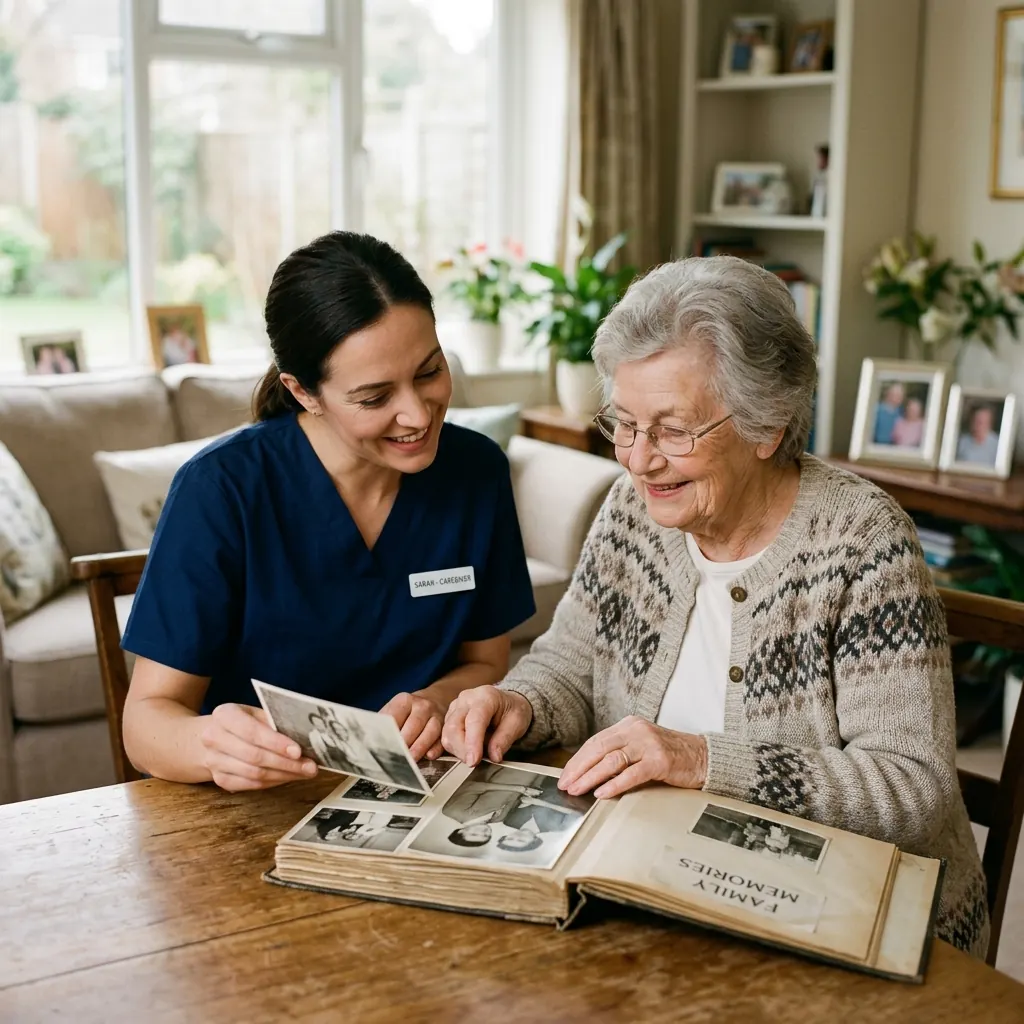
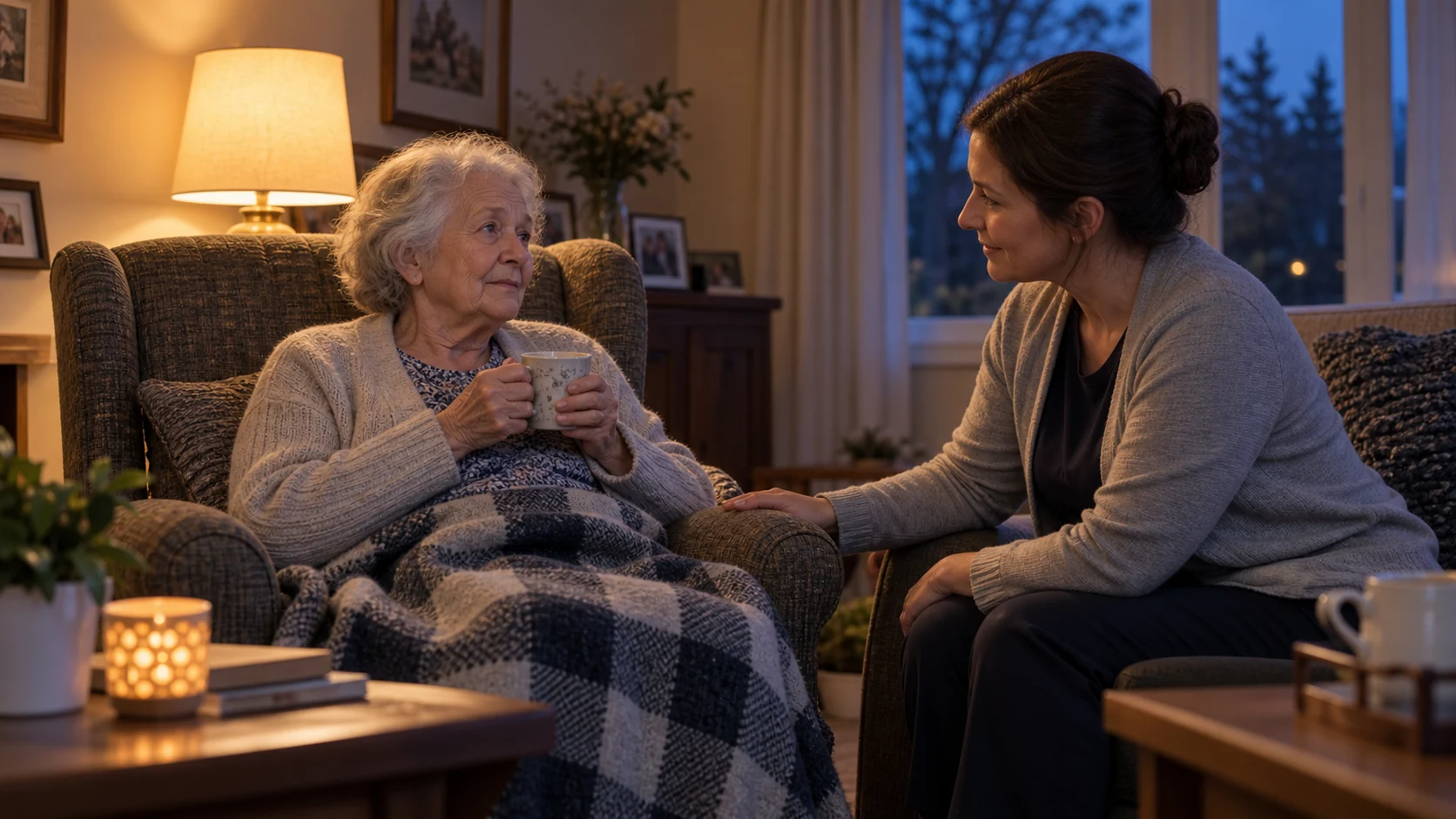
Our caregivers are trained to preserve dignity and residual independence rather than assume it away: including a person in their own conversations, supporting the abilities they still have instead of quietly taking over everything at once, and watching closely for the kind of mood changes that can signal depression rather than cognitive decline. Through Companion Care, Chronic Condition Management, and 24/7 Senior Home Care, we build support around where someone actually is on the spectrum — not around the fear a diagnosis can trigger in the people who love them.
We also help families notice early warning signs worth raising with a physician, since both dementia and late-life depression are far easier to manage well when they are caught and understood early, rather than assumed and reacted to.
Every Corelia caregiver is vetted, licensed, and background-checked, and every care plan starts with the person in front of us — not the label attached to them.
A Diagnosis Is Not a Verdict — Let Us Build a Plan Around the Person
If a parent, partner, or you yourself is facing a new diagnosis, the right support can help preserve independence rather than take it away. Book a free, no-obligation assessment with a Corelia Health care coordinator.
1-844-826-7354Serving Mississauga · Milton · Oakville · Burlington · Guelph · Brampton · Caledon · Halton Hills · North Bay · Edmonton · and surrounding communities across Ontario & Alberta.
Lauren and Edward Kowalski are illustrative composite examples, not an individual case history. This article summarizes themes from a book published in Japanese, based on publisher descriptions and secondary reporting rather than an official English translation; phrasing reflects our own paraphrase, not direct quotation. This is general education, not a diagnostic tool — any concerns about memory, cognition, or mood should be brought to a qualified physician.
Key Takeaways
Dementia is a spectrum
A diagnosis does not mean every ability disappears at once. The care plan should reflect what the person can still do.
Talk to the person, not around them
Including someone directly in care conversations protects dignity and gives families a clearer picture of what support is actually needed.
Watch mood as closely as memory
Late-life depression can resemble cognitive decline from the outside and deserves physician attention rather than assumptions.
Support remaining independence
Good in-home care preserves safe abilities instead of taking over everything too early.
A dementia diagnosis describes a range, not a verdict.
Frequently Asked Questions
Published in 2023 as a follow-up to The 80-Year-Old Wall, the book argues that brain aging is driven by two distinct factors people often confuse — dementia, which typically progresses slowly and exists on a wide spectrum, and late-life depression, which can be more dangerous but is more treatable once recognized.
No. Dr. Wada argues this is a widely exaggerated fear; the far more common pattern is the opposite — people gradually becoming quieter and more withdrawn as the condition progresses, rather than wandering.
Because it can resemble early dementia from the outside, it is frequently overlooked, yet it can be more dangerous if untreated — and it generally responds well to proper care once correctly identified.
Our caregivers focus on preserving a person's dignity and remaining independence, including them directly in decisions and conversations, and watching for mood changes as closely as memory changes — rather than assuming the worst the moment a diagnosis is mentioned.
Corelia Premium Guide
Use this guide to compare care options, prepare family questions, and understand what to check before starting in-home support.
Professional Care Services
Local Home Care Support
Why Corelia Health?
-
Customized care plans tailored to your unique needs and preferences.
-
Screened caregivers matched to the care plan, schedule, and level of help required.
-
Ongoing monitoring and regular family updates for peace of mind.
-
Locally owned and operated, providing a personalized community touch.
"We help at home, wherever home is for you."
Find The Right CareSpeak to our Clinical Care Coordinator
We are here to walk this journey with you. Our coordinators provide expert guidance on care options, funding, and next steps.