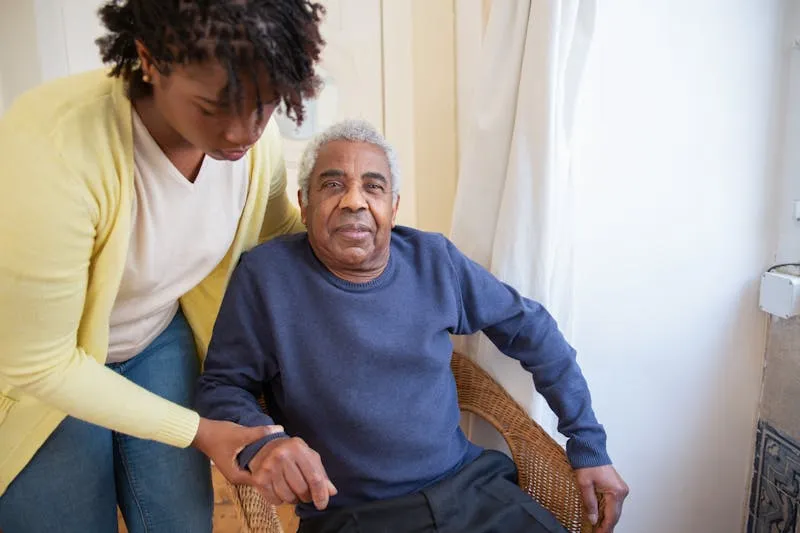

Caring for an aging parent, or paying for your own care as you get older, adds up quickly. Home care, hearing aids, mobility equipment, dental work and accessibility aids can all be significant expenses.
The Ontario Seniors Care at Home Tax Credit is a refundable personal income tax credit for low- to moderate-income seniors. It can help with eligible medical expenses, including some expenses that support aging at home. Because eligibility depends on age, residency, income and the type of expense, families should understand the rules before assuming a particular home-care invoice qualifies.
Need care for your parent?
Get a professional care assessment at no cost.
What Is the Ontario Seniors Care at Home Tax Credit?
The credit is designed to help low- to moderate-income Ontario seniors with eligible medical expenses. It is refundable, which means an eligible person may receive it even when they do not owe income tax.
Under the current program, the credit is worth up to 25% of claimable medical expenses, to a maximum of $6,000 in claimable expenses. That produces a maximum annual credit of $1,500.
This is not a blanket reimbursement for every cost associated with living at home. The expense must fit the applicable medical-expense rules, and the income-tested calculation still applies.
Who Is Eligible?
You may claim the credit if you turned 70 or older during the tax year, or if your spouse or common-law partner did, and you were resident in Ontario at the end of the tax year.
The type of residence does not determine eligibility. A person may live in a house, apartment, retirement home, long-term care home or another residence-and-care setting.
The credit is income-tested. The calculated credit is reduced by 5% of family net income above $35,000 and is fully phased out by no more than $65,000 of family net income. The exact result depends on the tax return and claimable expenses.
Want more deep knowledge like this?
Join our private Facebook group to connect with experts, get exclusive resources, and find support from families navigating the same journey.
Which Expenses May Count?
Eligible expenses generally follow the Ontario Medical Expense Tax Credit rules. Ontario lists examples including:
• Attendant care, when the required certification and other conditions are met • Care provided by an authorized medical practitioner, such as a nurse or occupational therapist • Dental, vision and hearing care, including dentures, glasses and hearing aids • Walking aids, wheelchairs and electric scooters • Bathroom aids such as grab bars, grips and railsKeep detailed receipts and supporting documents. An expense being helpful to a senior does not automatically make it an eligible medical expense.
How the Credit Is Calculated
The calculation begins with eligible medical expenses. Claimable medical expenses are generally the eligible amount above 3% of net income, subject to the applicable tax rules.
The program then calculates 25% of claimable expenses up to $6,000. The resulting credit cannot exceed $1,500, and the income test can reduce it further when family net income exceeds $35,000.
For example, if an eligible senior has $3,000 in claimable medical expenses after the medical-expense threshold, the credit before the income test would be $750. Actual tax results vary, so use current tax software or obtain professional advice rather than relying on a simplified example.
How to Claim It
Keep receipts and any required medical certification for the expenses being claimed.
Complete the medical-expense portions of the federal Income Tax and Benefit Return and Ontario Form ON428. The Ontario Seniors Care at Home Tax Credit is then claimed on Form ON479, Ontario Credits. Ontario currently directs taxpayers to complete lines 4 through 14 of Form ON479.
Most current tax software will calculate the credit after the relevant medical expenses, age, residency and income information are entered. If someone else paid the expenses, or more than one family member could claim them, ask a qualified tax professional which return should include the claim.
See Ontario's official claiming instructions
Find the current Ontario tax package
Where Paid Home Care May Fit
Some paid home-care expenses may qualify when they meet the attendant-care, nursing or other medical-expense requirements. Certification or supporting medical documentation may be required, and purely household or companionship services should not be assumed to qualify automatically.
Corelia Health can provide detailed invoices for services delivered. Families should give those records to their tax preparer and confirm which portion, if any, is eligible under the current rules.
Our services include Personal Care Assistance, Skilled Nursing Care at Home and 24/7 Senior Home Care. Eligibility for a tax credit depends on government tax rules, not on the service name alone.
The Bottom Line
If you or your spouse or common-law partner turned 70 or older, lived in Ontario at year-end and paid eligible medical expenses, the Ontario Seniors Care at Home Tax Credit is worth checking.
The maximum credit is meaningful, but the medical-expense threshold, income test and documentation requirements matter. Keep receipts, check the current official guidance and speak with a qualified tax professional about your circumstances.
This article provides general information and is not tax or legal advice. Program details can change. Information was reviewed against Ontario's official program page on July 28, 2026.
1-844-826-7354Key Takeaways
It is refundable
An eligible senior may receive the credit even when they do not owe Ontario income tax.
Age and residency both matter
The senior or their spouse or partner must meet the age rule, and the claimant must be an Ontario resident at year-end.
Not every home-care cost qualifies
Attendant care and nursing can have certification and documentation requirements.
Keep complete records
Receipts and supporting medical documents are essential when claiming eligible expenses.
The credit can help, but eligibility belongs to the tax rules—not to the label on an invoice.
Frequently Asked Questions
The current maximum is $1,500, calculated as up to 25% of a maximum of $6,000 in claimable medical expenses before the income-test reduction.
No. It is a refundable tax credit, so an eligible claimant may receive it even if they do not owe income tax.
No. Some attendant-care, nursing or other medical expenses may qualify, but certification and other conditions can apply. Companionship and household help should not automatically be treated as eligible.
The credit is claimed through Form ON479 after completing the relevant federal and Ontario medical-expense calculations.
Ontario states that it can be claimed in addition to the federal and Ontario medical expense tax credits for the same eligible expenses, subject to the applicable rules.
Corelia Premium Guide
Use this guide to compare care options, prepare family questions, and understand what to check before starting in-home support.
Professional Care Services
Local Home Care Support
Why Corelia Health?
-
Customized care plans tailored to your unique needs and preferences.
-
Screened caregivers matched to the care plan, schedule, and level of help required.
-
Ongoing monitoring and regular family updates for peace of mind.
-
Locally owned and operated, providing a personalized community touch.
"We help at home, wherever home is for you."
Find The Right CareSpeak to our Clinical Care Coordinator
We are here to walk this journey with you. Our coordinators provide expert guidance on care options, funding, and next steps.